FAMBRAS Strengthens International Humanitarian Engagement at DIHAD 2026 in Dubai
Federation participates in one of the world’s leading platforms dedicated to humanitarian aid, development, and international cooperation.
FAMBRAS – the Federation of Muslim Associations of Brazil – participated in the 22nd edition of the Dubai International Humanitarian Aid and Development Conference & Exhibition (DIHAD 2026), held from August 24 to 26 at the Dubai World Trade Centre in the United Arab Emirates.
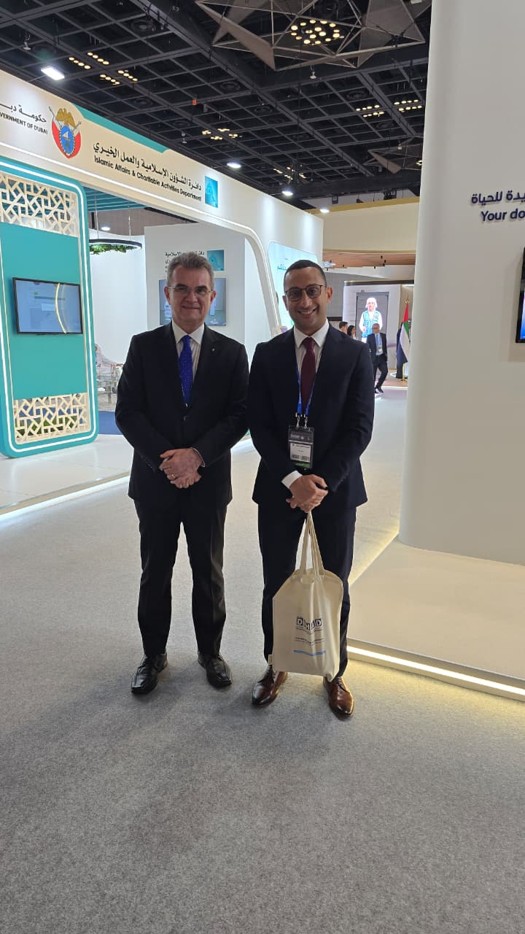
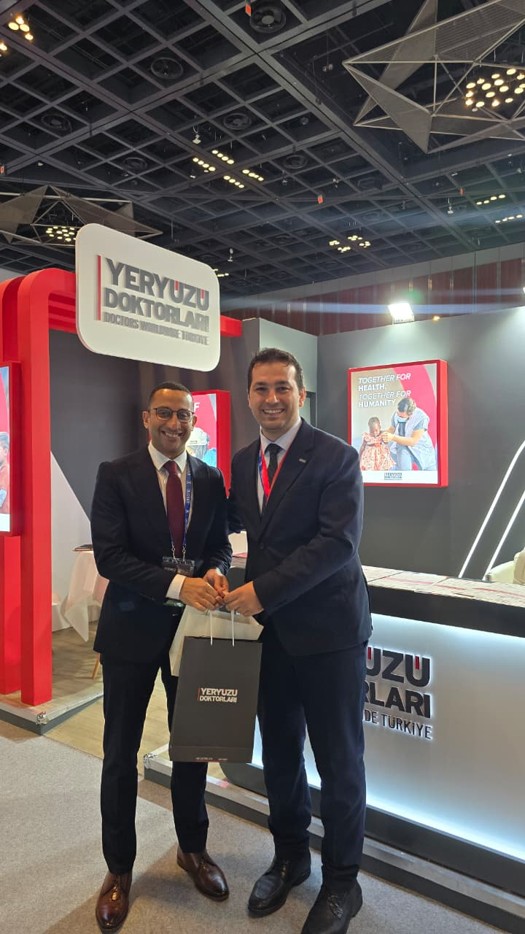
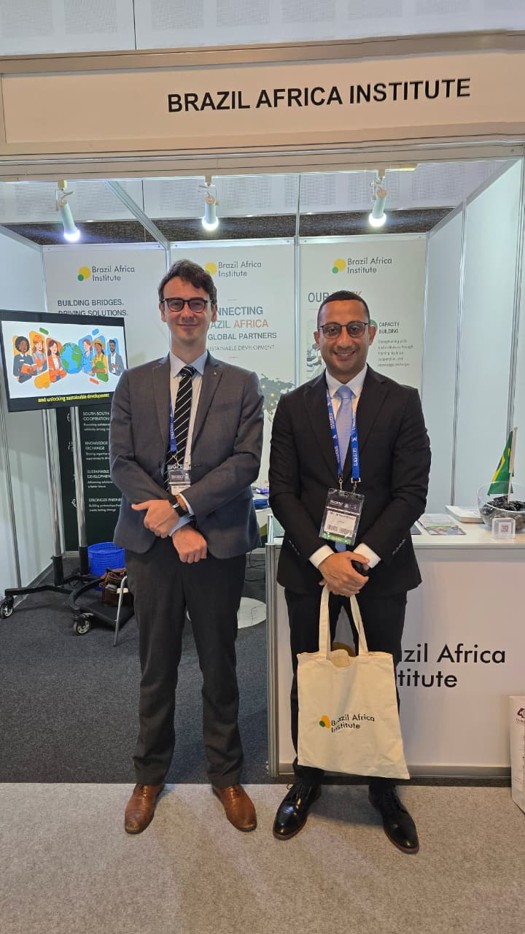
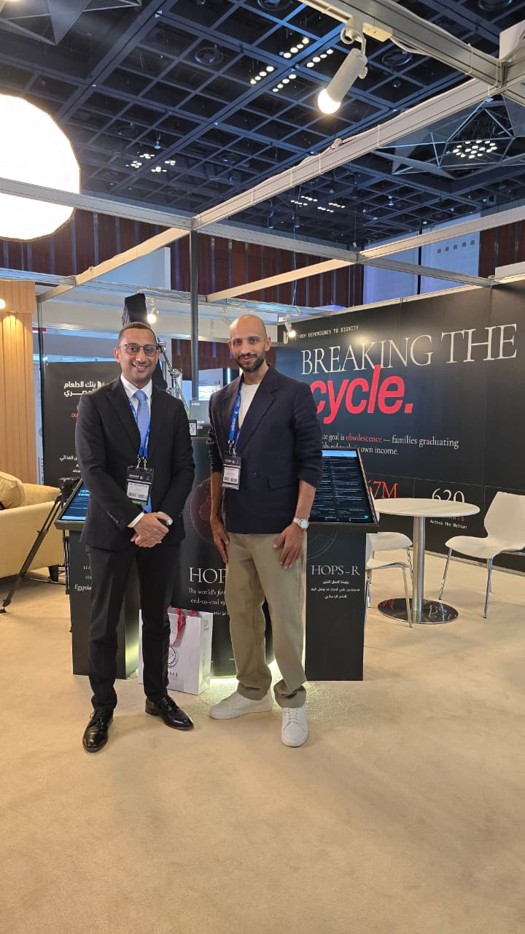
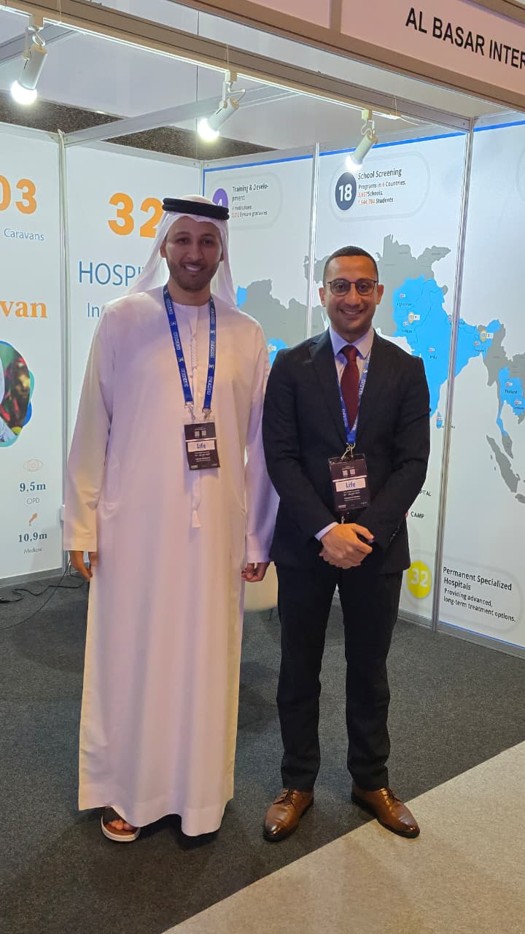
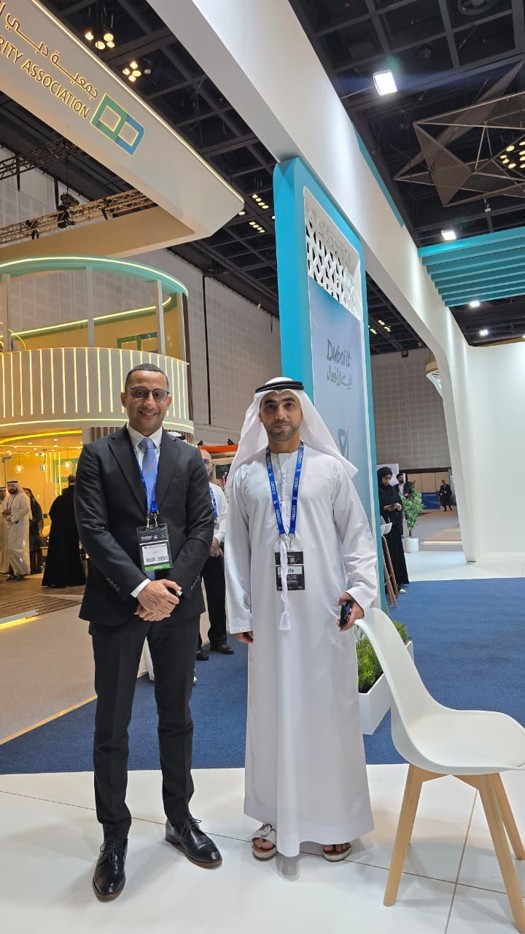
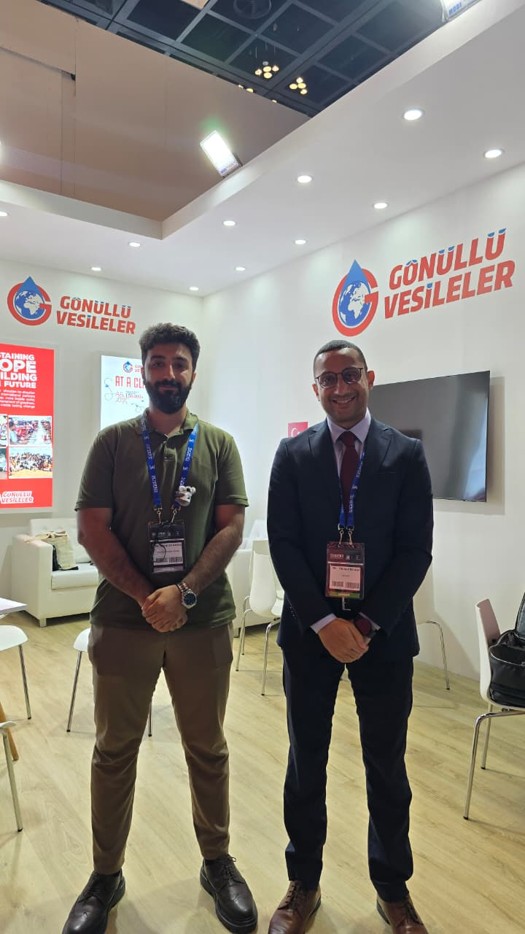
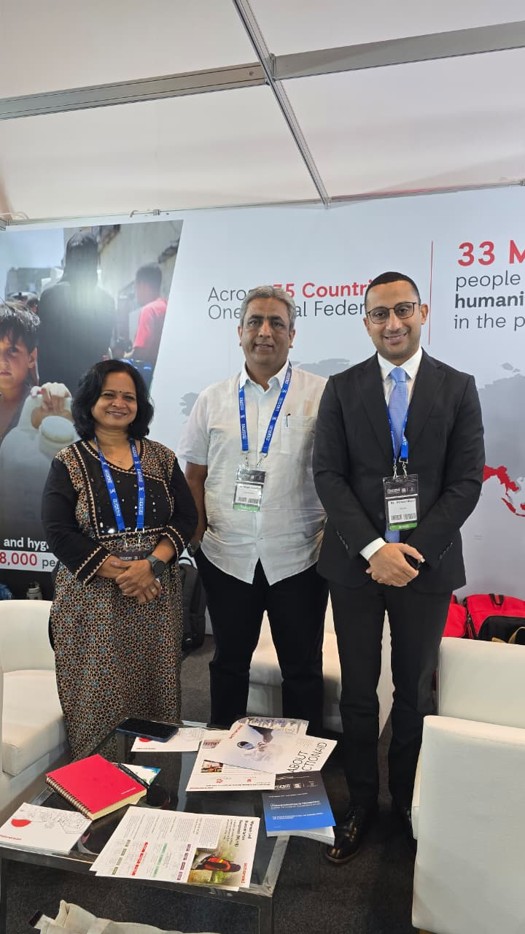
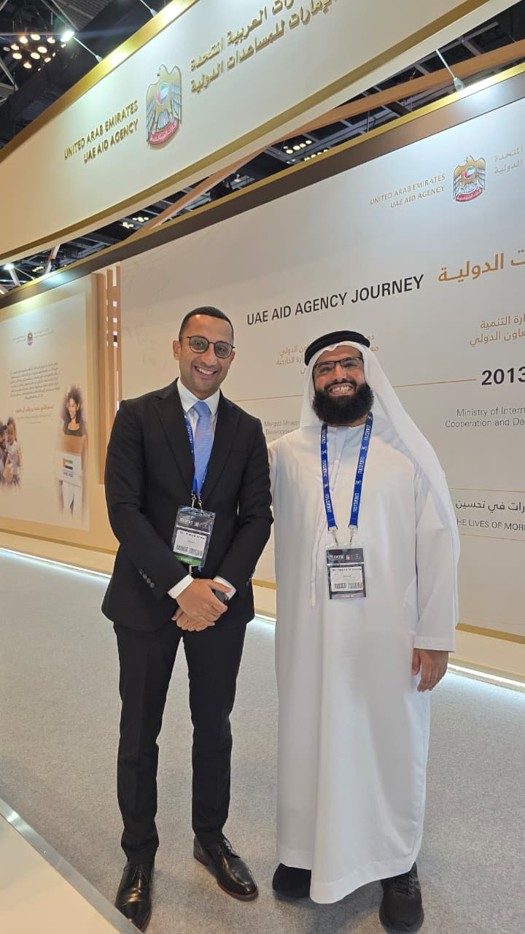
The institution was represented by Ahmed Khalaf, FAMBRAS Director of International Programs and Strategic Relations in the Humanitarian Sector, who followed the event’s program and international discussions concerning the main challenges, trends, and prospects for the future of humanitarian action.
The participation reinforces FAMBRAS’s international engagement and its relationship with institutions, organizations, and leaders involved in humanitarian cooperation and development initiatives. It also continues the Federation’s participation in DIHAD following its presence at the 21st edition in 2025, also represented by Ahmed Khalaf.
One of the World’s Major Humanitarian Gatherings
Held under the patronage of His Highness Sheikh Mohammed bin Rashid Al Maktoum, Vice President and Prime Minister of the United Arab Emirates and Ruler of Dubai, DIHAD 2026 was inaugurated by His Highness Sheikh Hashr bin Maktoum bin Juma Al Maktoum, Chairman of Dubai Media Incorporated.
Under the theme “Humanity in Transition: Shaping the Future of Humanitarian Action,” the 2026 edition addressed the profound transformations facing the humanitarian sector amid increasingly complex crises, conflicts, natural disasters, climate change, population displacement, economic difficulties, and rapid technological change.
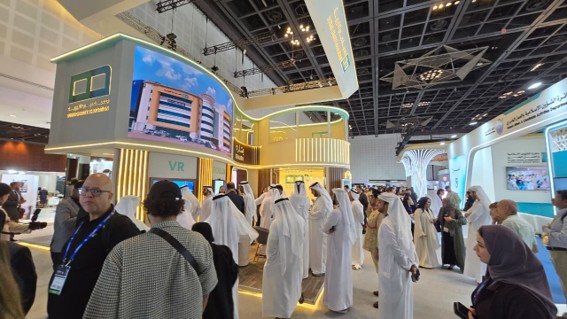
The international scale of the gathering demonstrates DIHAD’s role as a platform for global coordination. In 2026, more than 1,000 organizations, entities, and partners participated in the event, which brought together more than 21,000 participants and visitors from 165 countries, as well as more than 320 speakers across over 260 sessions and workshops.
The program also included more than 180 procurement representatives from United Nations agencies, institutions, and charitable organizations.
Governments, UN agencies, non-governmental organizations, philanthropic entities, academic institutions, companies, international organizations, and specialists use the platform to share experiences, identify opportunities for cooperation, and develop more effective and sustainable responses for communities affected by crises and disasters.
Sustainability in Humanitarian Action
One of the highlights of the 2026 edition was the launch of the Dubai Waqf and DIHAD Fund for Humanitarian Action, a joint initiative of the Awqaf and Minors Affairs Foundation of Dubai and the DIHAD Sustainable Organisation.
The initiative uses the Islamic concept of waqf, based on establishing and preserving an asset intended to generate ongoing benefits. The fund’s assets will be developed and invested, with the returns directed toward humanitarian and development projects, creating a sustainable source of funding for long-term impact initiatives.
Sustainability was a recurring theme throughout the program, reflecting an important shift in how the international sector seeks to address crises. In addition to emergency assistance, there is growing emphasis on building structures that strengthen communities, increase resilience, and reduce future vulnerabilities.
Refugees, Technology, and New Challenges
The situation of refugee populations also received significant attention at DIHAD 2026.
Dr. Maitha bint Salem Al Shamsi, Minister of State and Chairwoman of the Higher Committee of the Sheikha Fatima Fund for Refugee Women, presented the perspective of Sheikha Fatima bint Mubarak, known as the “Mother of the Emirates,” on the need to develop and modernize strategies aimed at supporting refugees.
The challenges discussed included shortages of housing, food, and medicine, as well as difficulties accessing education and employment and the psychological, economic, and legal challenges faced by refugee communities.
The conference discussions also addressed the impact of technology, artificial intelligence, and innovation on humanitarian action, as well as water-resource management and the development of more efficient models for emergency preparedness and response.
The first day of DIHAD 2026 focused on the theme “Understanding the Characteristics of the Transition Phase: Drivers of Change in Humanitarian Action,” examining the transformations reshaping the global humanitarian system and requiring new approaches.
From Emergency Response to Sustainable Solutions
One of the key issues discussed at DIHAD was the need for the humanitarian sector to move toward more preventive, flexible, and sustainable models.
Ambassador Prof. Abdul Salam Al Madani, President of the DIHAD Sustainable Organisation, emphasized that the future of humanitarian action requires a shift in perspective: from response to preparedness, from isolated efforts to partnerships, and from temporary solutions to sustainable impact.
In this context, DIHAD serves as a platform connecting governments, international organizations, the private sector, specialists, and decision-makers, encouraging knowledge-sharing, partnership-building, and the development of innovative solutions capable of strengthening community resilience and preserving human dignity.
Humanitarian Action as a Strategic Necessity
During the event, Ahmed Darwish Al Muhairi, Director-General of Dubai’s Department of Islamic Affairs and Charitable Activities, noted that the current international environment is characterized not by a single crisis, but by a combination of conflicts, natural disasters, climate change, economic crises, and rapid technological transformations.
Against this backdrop, humanitarian action is increasingly understood not only as an emergency response, but also as a strategic necessity for promoting stability and development and strengthening communities’ ability to face future challenges.
International Cooperation and FAMBRAS’s Participation
FAMBRAS’s presence in this international environment is aligned with the institution’s humanitarian and social initiatives and its efforts to strengthen relationships with international organizations and partners.
By following discussions on innovation, sustainability, refugee assistance, international cooperation, and new2025, the Director of International Programs and Strategic Relations in the Humanitarian Sector represented FAMBRAS at the 21st edition of the conference, further strengthening the Federation’s institutional presence at one of the leading international gatherings dedicated to humanitarian aid humanitarian models, the Federation expands its engagement with strategic actors in the sector and remains connected to major global discussions concerning assistance and development.
Ahmed Khalaf’s participation in DIHAD 2026 also reinforces the continuity of this dialogue. In 2025, the Director of International Programs and Strategic Relations in the Humanitarian Sector represented FAMBRAS at the 21st edition of the conference, further strengthening the Federation’s institutional presence at one of the leading international gatherings dedicated to humanitarian aid and development.
Continued participation helps strengthen connections, follow emerging practices, and identify cooperation opportunities capable of expanding the reach and effectiveness of humanitarian initiatives.
In an international environment marked by increasingly complex crises, cooperation among institutions, governments, and civil society organizations is essential for transforming emergency actions into sustainable solutions and contributing to the preservation of human dignity.