FAMBRAS Supports New Portuguese Class for Migrants and Refugees in São Paulo
The training brings together 39 students from different nationalities and strengthens a partnership focused on welcoming, inclusion, and the autonomy of people rebuilding their lives in Brazil, with support from the International Halal Academy (IHA).
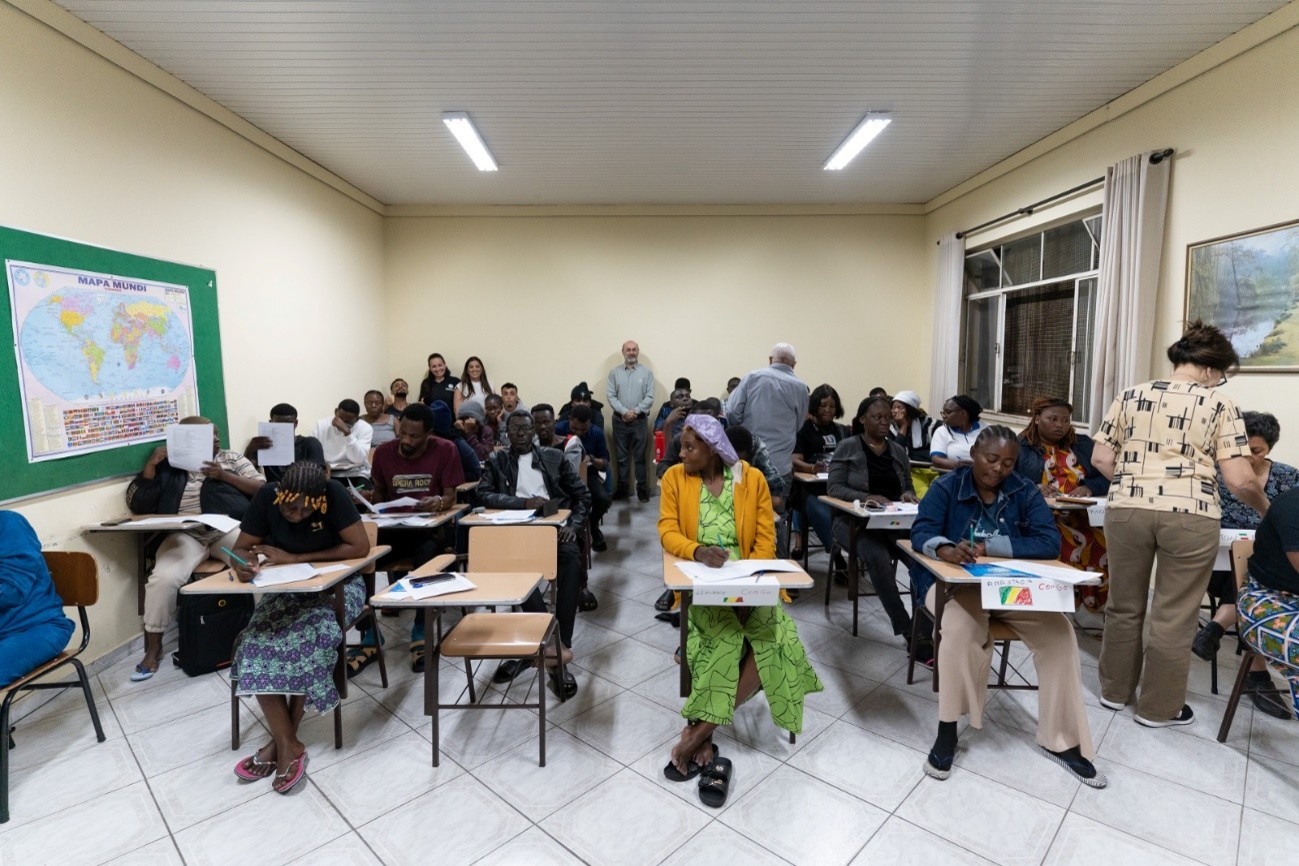
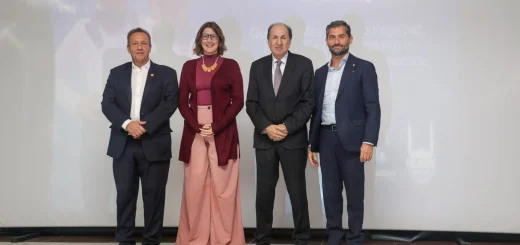
The Federation of Muslim Associations of Brazil (FAMBRAS) participated last Monday (August 17) in the opening of the second Portuguese language class for migrants and refugees, held at the Missão Scalabriniana Pari Welcome Center in São Paulo. The initiative also receives support from the International Halal Academy (IHA).
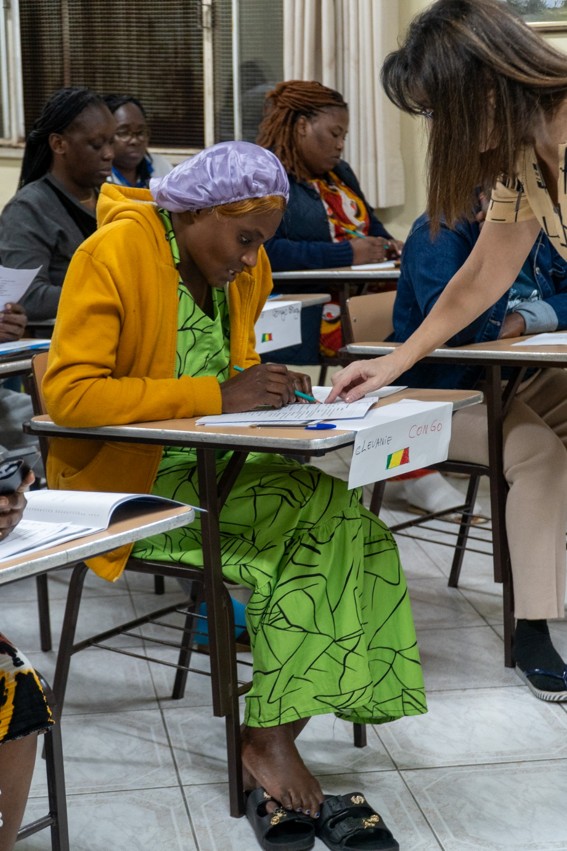
The new class brings together 39 students from different nationalities, including Morocco, the Democratic Republic of the Congo, Iraq, and Pakistan. Over 50 hours of training, with classes held Monday through Friday, participants will learn Portuguese in a practical way, developing essential skills for communication, independence, and adapting to daily life in Brazil.
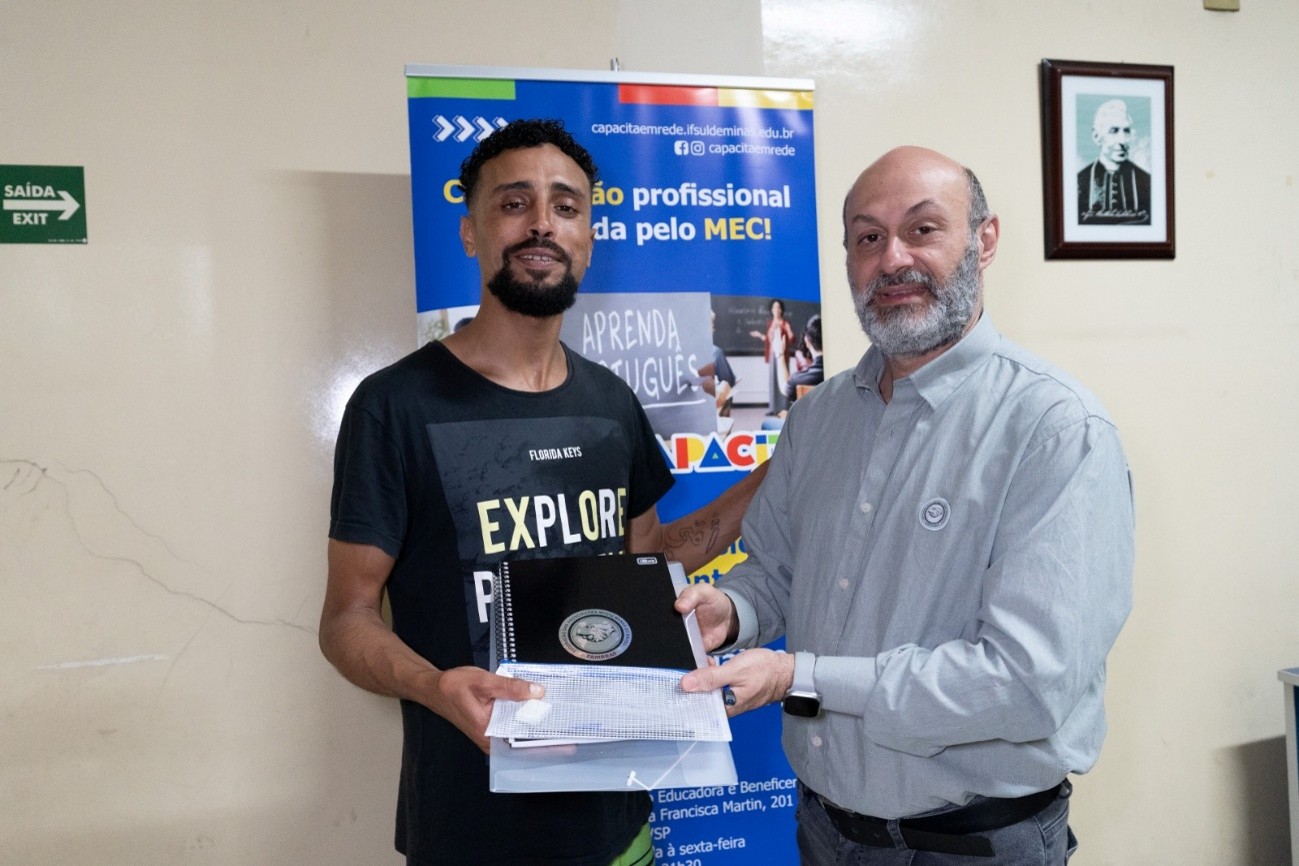
The initiative continues the work developed by FAMBRAS, Missão Scalabriniana Pari, and Capacita em Rede, with support from the International Halal Academy (IHA), strengthening joint efforts to benefit migrant and refugee populations. Capacita em Rede is a free professional qualification initiative developed in partnership by the Federal Institute of Southern Minas Gerais (IFSULDEMINAS) and the National Conference of Bishops of Brazil (CNBB), with support from the Secretariat of Vocational and Technological Education of the Ministry of Education (Setec/MEC).
In July of this year, FAMBRAS, Missão Scalabriniana Pari, and Capacita em Rede formalized an agreement aimed at expanding training, qualification, and integration opportunities for migrants, while also contributing to their access to the labor market and greater autonomy in the country.
Portuguese for Real-Life Situations
Rather than focusing solely on grammar fundamentals, the course was designed to address the immediate needs of people building a new life in Brazil. Classes cover common everyday situations, such as asking for information, looking for employment, using public and healthcare services, and understanding expressions used in everyday conversations.
Sister Janete Ferreira, manager of the Missão Scalabriniana, highlighted the importance of the partnership with FAMBRAS in making these opportunities accessible to migrants and refugees.
“This is a great opportunity, and thanks to our partnership with FAMBRAS, we are able to offer this to immigrants today,” she said.
Professor Ana Maria Campos Rennó, who leads the classes, emphasized that the training prioritizes knowledge that participants can immediately put into practice.
“The course is basically about what is urgent: learning how to greet people, understand, ask questions, and practice speaking Portuguese,” she explained.
According to the professor, the activities also simulate real-life situations, allowing students to practice listening and speaking while becoming familiar with words and expressions essential to everyday activities.
Education as a Path to Autonomy
This is the second Portuguese language training program developed through the initiative. The first class, held in May at the Missão Scalabriniana Pari Welcome Center, also consisted of 50 hours of in-person instruction and brought together migrants of different nationalities. The program combined language learning with content related to Brazilian culture and everyday life, contributing to the participants’ social and linguistic inclusion.
The continuation of the project reinforces the importance of education as a tool for welcoming newcomers. For those arriving in a new country, understanding and using the language also means having better opportunities to seek employment, access rights and services, establish relationships, and participate more actively in society.
By supporting initiatives such as this, FAMBRAS reaffirms its commitment to social and humanitarian actions carried out without distinction based on origin, nationality, or belief, contributing to the promotion of human dignity and the creation of pathways toward integration and autonomy.
The support provided by the International Halal Academy (IHA) adds to this effort to promote knowledge and education as tools for human development. Joint work with Missão Scalabriniana Pari and Capacita em Rede demonstrates how cooperation among institutions can transform learning into a practical tool for welcoming newcomers and create new opportunities for migrants and refugees who have chosen Brazil to rebuild their lives.