SOBEM Hosts Solidarity Iftar Organized by FAMBRAS and UNHCR
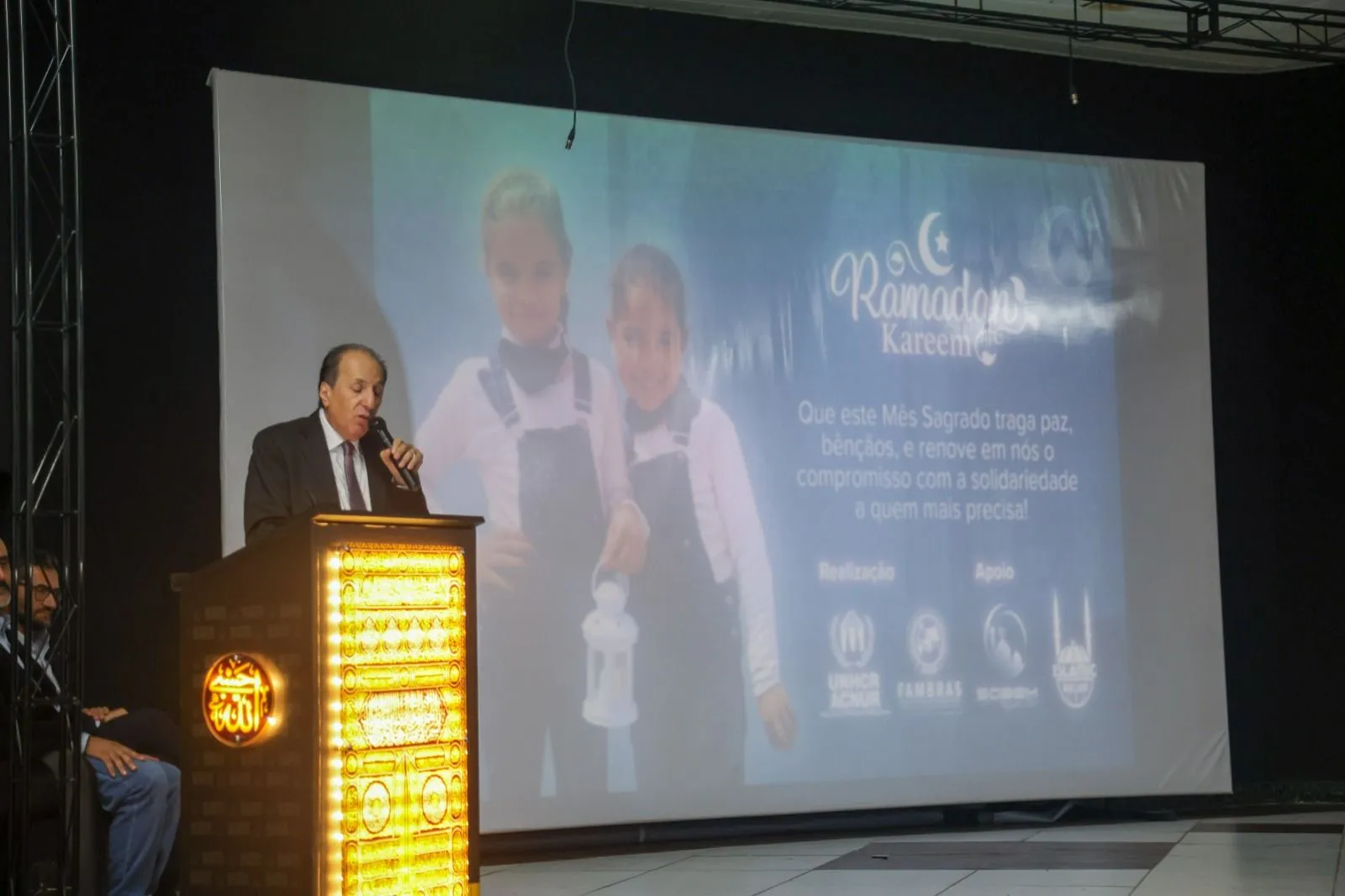
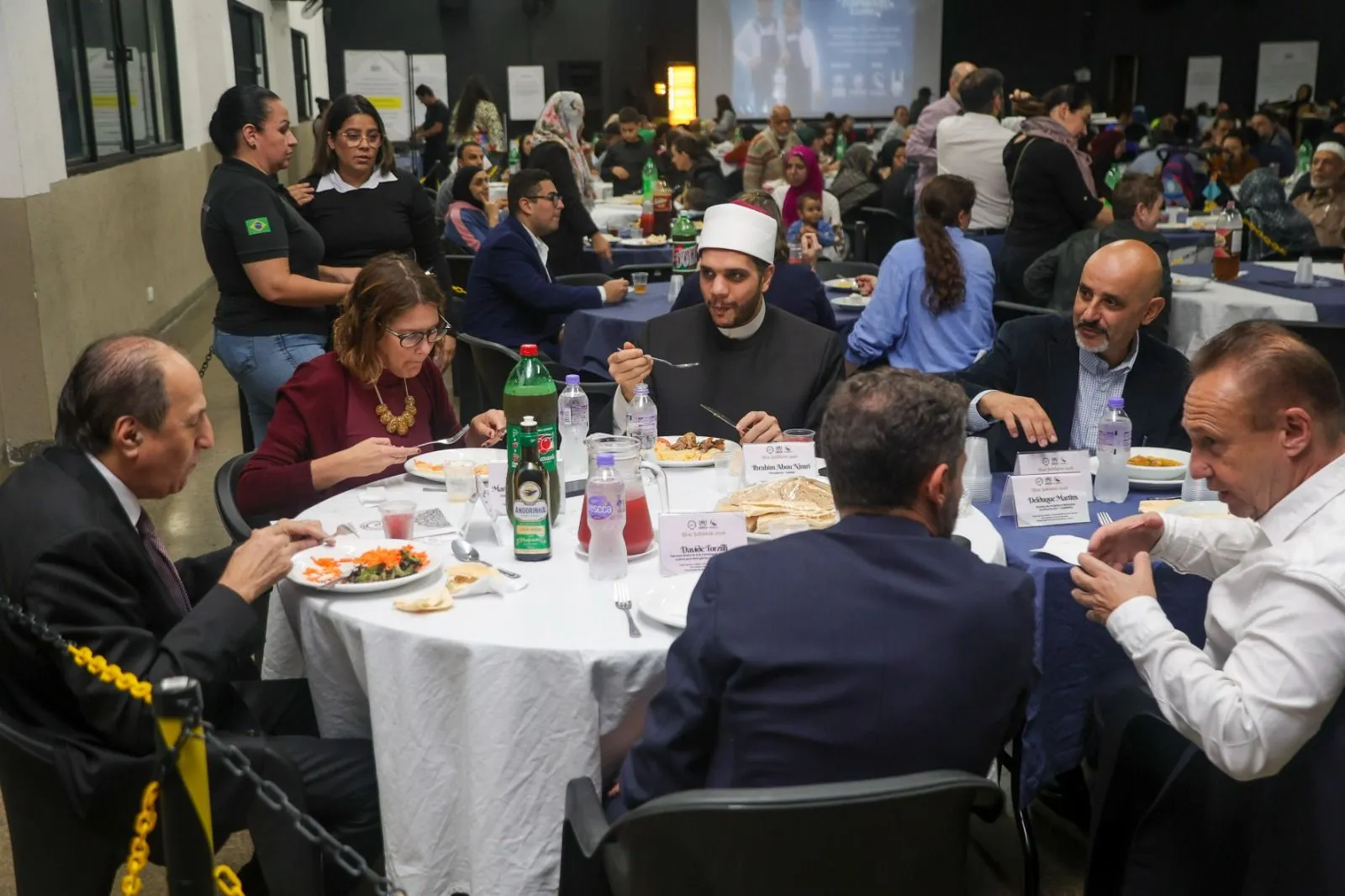
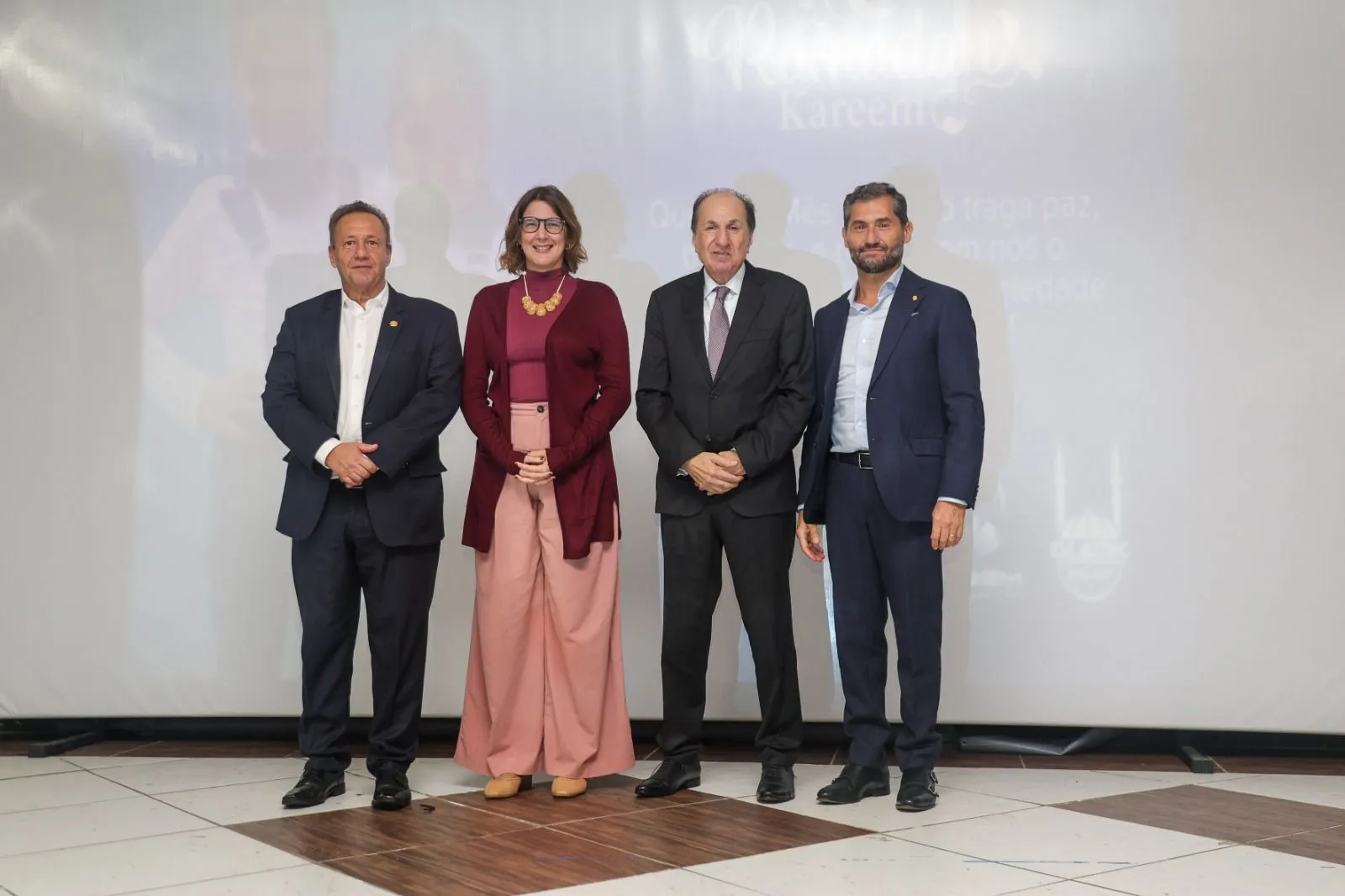
Last Wednesday (11/03), the SOBEM — Muslim Benevolent Society of Santo Amaro — in São Paulo hosted a Solidarity Iftar organized by UNHCR and FAMBRAS, in partnership with Caritas.
FAMBRAS President Ali Zoghbi spoke about the importance of partnerships with institutions committed to serving others:
“We must seek the synergy that exists among various institutions that share the same vision, such as UNHCR, Caritas, and others. We have initiatives aimed at enhancing human dignity; we must protect and preserve human beings,” he concluded.
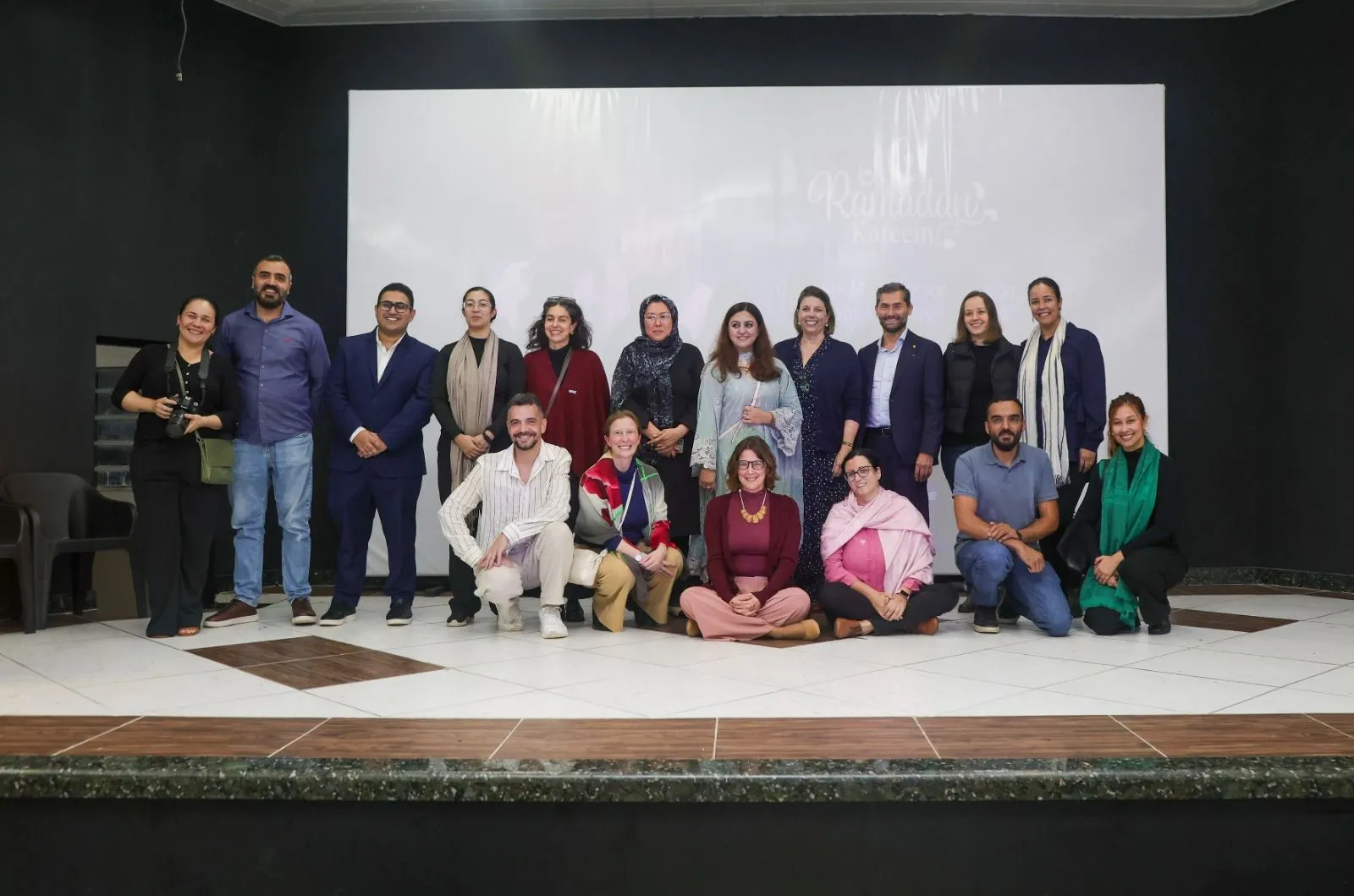
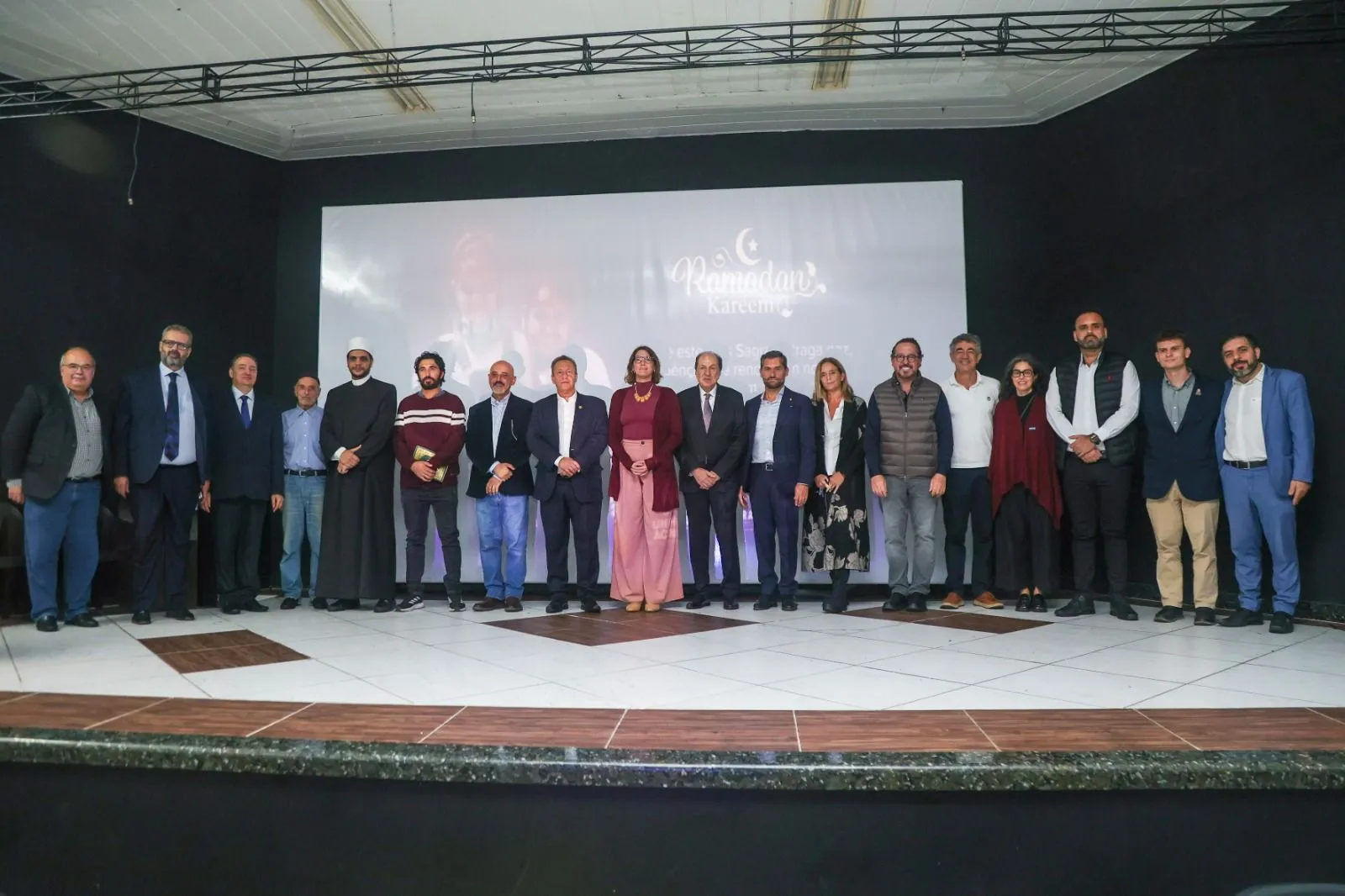
Partners including UNHCR, Caritas, Missão Paz, the Global Compact, SOBEM, and others attended the event. Director of Projects and Institutional Relations Delduque Martins highlighted the Federation’s gratitude for its partnerships:
“We have people from all over São Paulo. Today, for us at FAMBRAS, in partnership with UNHCR, with the support of Caritas and all the other institutions here, this fills our hearts with joy.”
UNHCR Representative in Brazil Davide Torzilli spoke about the importance of Iftar for Muslim refugees:
“Celebrating Iftar is very important for the refugee Muslim community. It is part of their religion, culture, and identity. We need to make these people feel at home.”
Brazil is considered a regional reference for humanitarian reception, including for Afghans, due to the creation of special visas and integration programs that have facilitated the entry and protection of these individuals.
Deacon Márcio Ribeiro, Coordinator of Caritas in São Paulo, spoke about the organization’s mission to welcome refugees:
“Last year alone, we assisted people from 70 nationalities and more than 40,000 refugees, and we are very happy when some of them find a second home in Brazil. That is our role. Caritas’s mission is to welcome, support, and integrate the entire refugee population arriving in Brazil.”
Mr. Abdul Majid Karokhi, an architect and engineer from Persia who came to Brazil seeking shelter and refuge, expressed his gratitude to the Brazilian people for their welcome and for the country’s services:
“I am grateful for this interview and for the opportunity to thank the Brazilian people. We are very happy and grateful. The Brazilian people have helped us greatly, from medical services to other forms of assistance. They have always helped us and continue to help us. We are very grateful to everyone.”
The São Paulo City Government was also represented by Luiz Felipe Belacqua, Advisor to the Municipal Secretariat of International Relations:
“We need to be here and understand how we, as the city government, can provide better services to this community and assist these people, share values, and bring the best possible service to society. We must always do good for people.”
Civil society was represented by Emhran Ahmad Niazi, founder of ARRO — the Afghan Refugee Rescue and Relief Organization — who spoke about the meaning of an Iftar for the community:
“It is very important that the entire refugee Muslim community is gathered here today, and it is very good for all of us to share Iftar at the end of Ramadan.”
The Afghan community was represented by cultural interpreter and Afghan refugee Waiss Mohammad Essa, who spoke about the importance of community for a Muslim refugee:
“It is very important for us to have a community. It is very difficult to be alone during the holy month. I see many people here today, from different nationalities and cultures. This brings me joy; I am happy to see so many people from my community,” he concluded.
Mr. Abdul Majid Karokhi, a Persian refugee in Brazil, also thanked the organizers of the Iftar on behalf of the community in attendance:
“We are very grateful to everyone who organized this Solidarity Iftar for us, the Afghans. Thank you all. May God be with you.”