The World Cup and the Invisible Walls That Still Divide Us
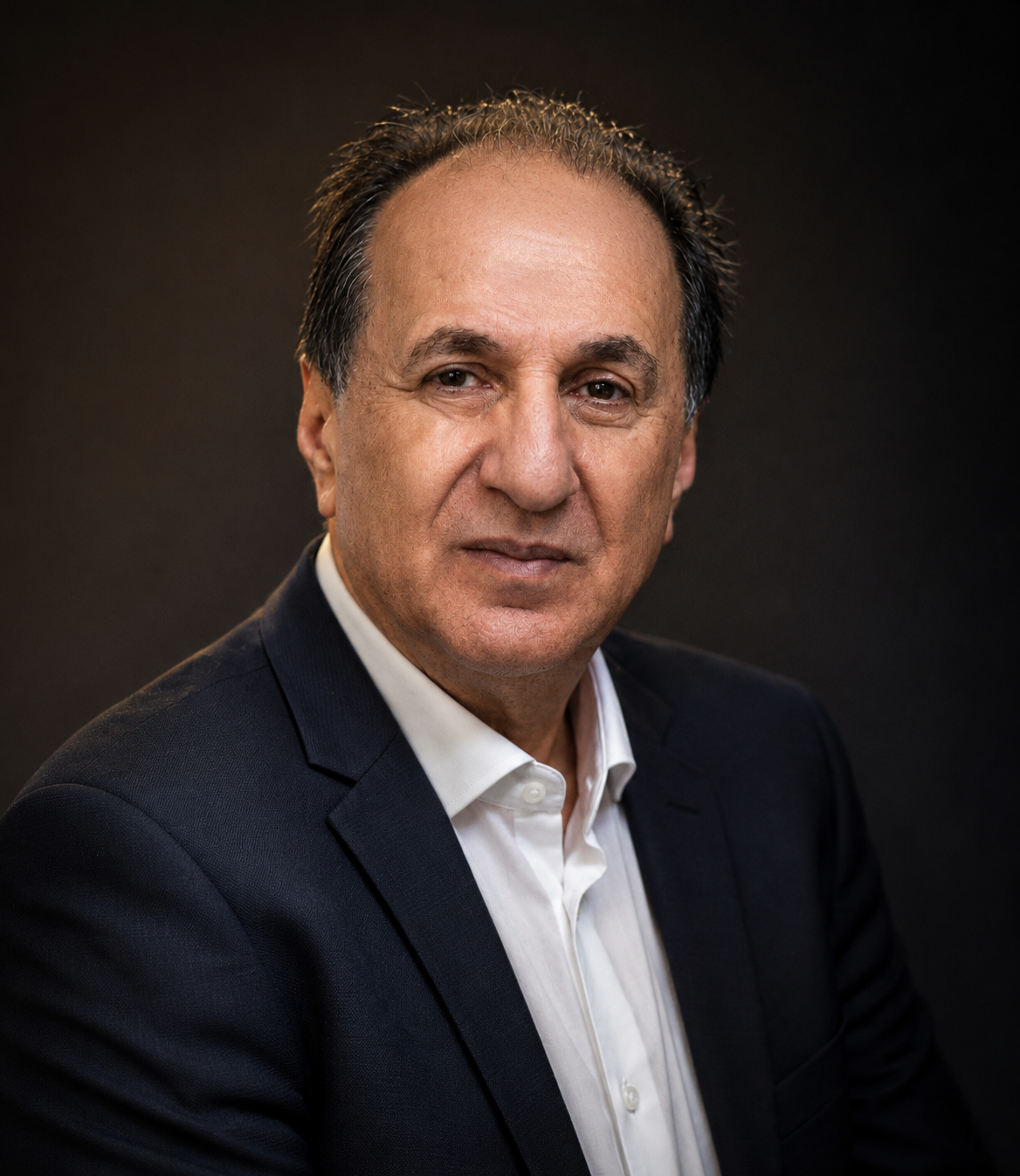
ALI ZOGHBI
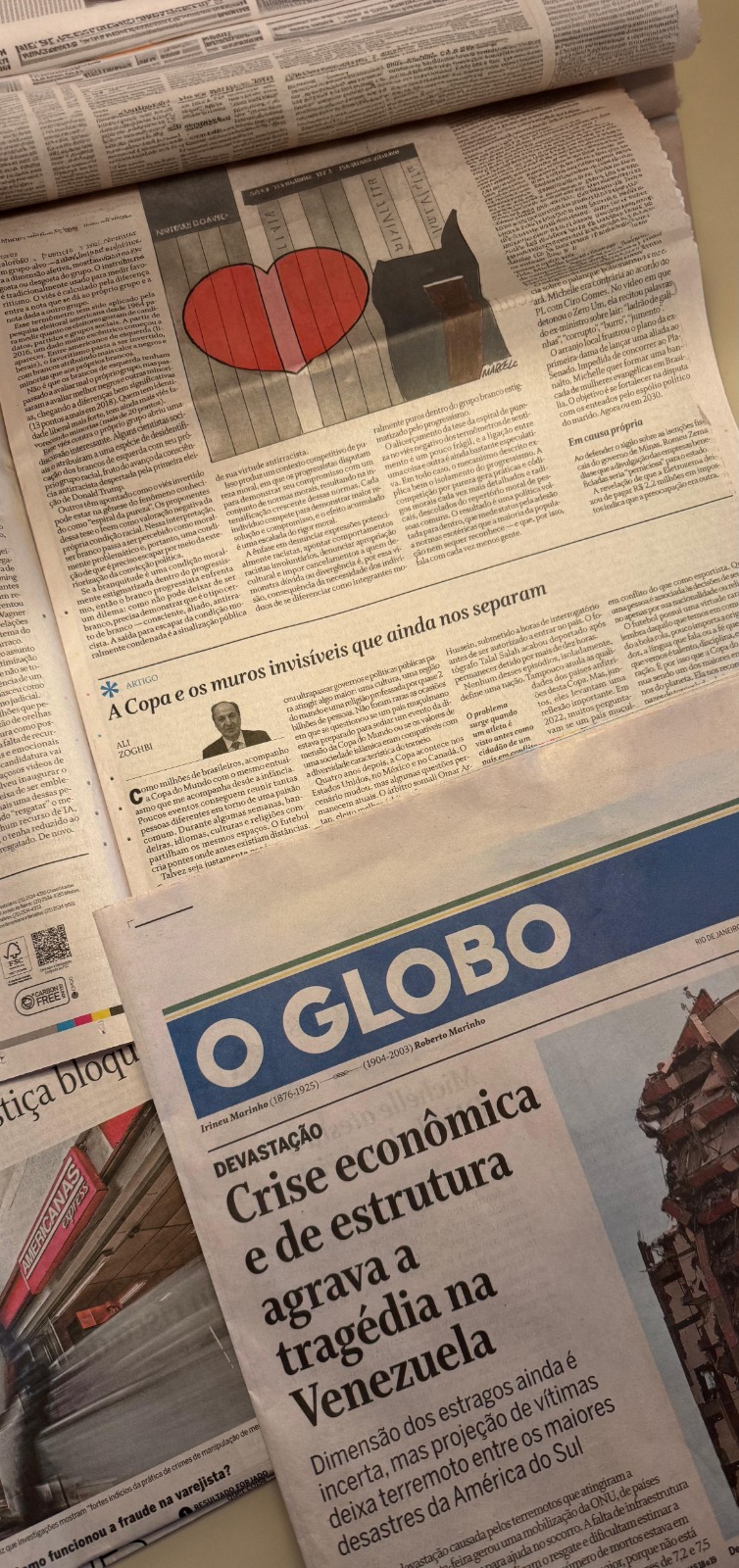
Source: O Globo
Like millions of Brazilians, I follow the World Cup with the same enthusiasm that has accompanied me since childhood. Few events can bring together so many different people around a shared passion. For a few weeks, flags, languages, cultures, and religions share the same spaces. Football builds bridges where distances once existed.
Perhaps that is precisely why a World Cup reveals much more than what happens on the field. In 2022, during the World Cup in Qatar, we witnessed intense debates about the host country. Many criticisms focused on labor rights, civil rights, and transparency. Such debate is legitimate and necessary in any society.
But at various moments, criticism seemed to go beyond governments and public policies to target something broader: a culture, a region of the world, and a religion practiced by nearly 2 billion people. There were numerous occasions when people questioned whether a Muslim country was prepared to host an event on the scale of the World Cup or whether the values of an Islamic society were compatible with the diversity characteristic of the tournament.
Four years later, the World Cup is being held in the United States, Mexico, and Canada. The setting has changed, but some questions remain relevant. In 2022, many asked whether a Muslim country could welcome the world. In 2026, perhaps we should ask a different question: is the world prepared to welcome all peoples on equal terms?
The issue arose when Somali referee Omar Artan, named Africa’s best referee in 2025 and selected by FIFA to officiate at the tournament, was prevented from entering the United States due to immigration restrictions imposed on citizens of certain countries.
The case was not isolated. The Iranian national team faced difficulties obtaining entry authorization for members of its delegation, leading the team to establish its training base in Mexico. The case of Iraqi striker Aymen Hussein also drew attention after he was subjected to hours of questioning before being allowed to enter the country. Photographer Talal Salah was ultimately deported after being detained for more than ten hours.
None of these episodes, individually, defines a nation. Nor do they negate the qualities of the country hosting this World Cup. Taken together, however, they raise an important reflection. In 2022, many asked whether a Muslim country could welcome the world. In 2026, perhaps we should ask whether the world is prepared to welcome everyone equally.
The problem emerges when an athlete is seen first as a citizen of a country in conflict rather than as a sportsman.
The issue is not about defending governments or ignoring political disagreements. Countries can and should be criticized when necessary. The problem arises when we stop seeing individuals and instead see only labels. When an athlete is viewed first as a citizen of a country in conflict rather than as a sportsman. When a person is associated with the decisions of their government simply because of their nationality or religion.
Football possesses a rare virtue: it reminds us of what we have in common. When the ball starts rolling, little matters about the player’s origin, the language they speak, or the faith they practice. What we see is talent, discipline, effort, and perseverance. That is why the World Cup remains one of the greatest human gatherings on the planet. It reminds us that we can cheer side by side, celebrating together, and recognizing our shared humanity even when we belong to different cultures.
Perhaps the main question of this World Cup is not who will lift the trophy. Perhaps it is whether we can finally learn to see entire peoples beyond the stereotypes we insist on assigning to them. Because when that happens, football will have achieved a victory far greater than any world title.
Ali Zoghbi, Brazilian and Muslim, is president of the Federation of Muslim Associations of Brazil.